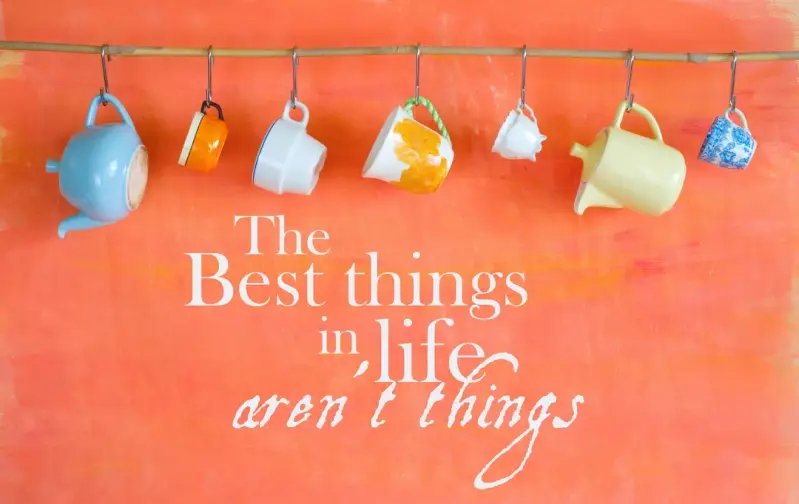
In a kindergarten classroom, it’s easy to get swept up in the materials—the bins of math manipulatives, the carefully leveled books, the glue sticks that somehow always run out too quickly. But this week, as we prepared for Mother’s Day, I was reminded of a simple truth: “The best things in life are not things.”
And yet… we made mugs.
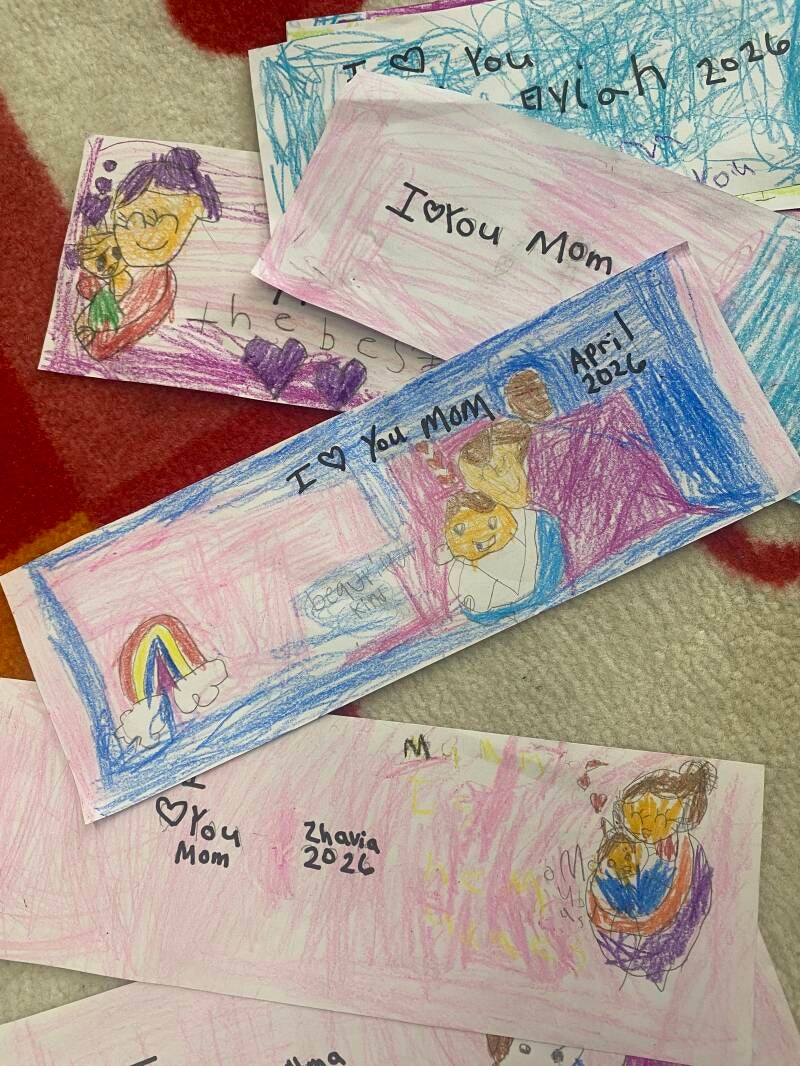
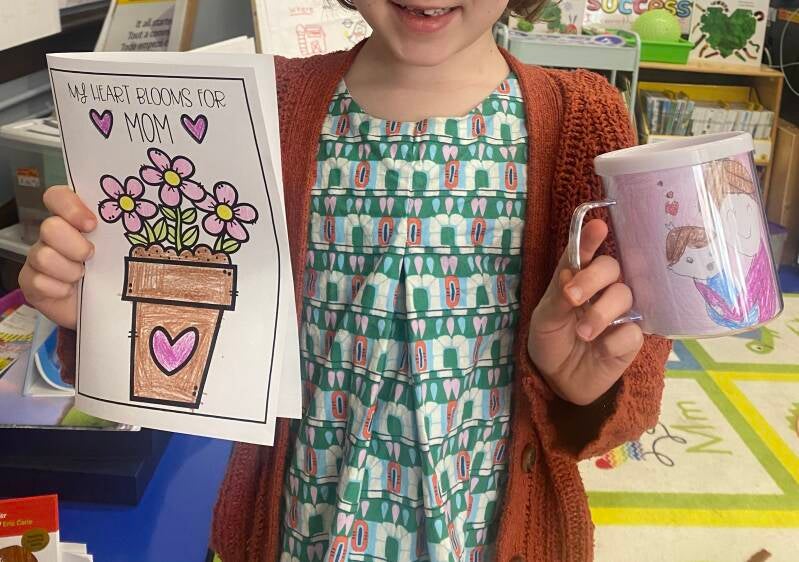
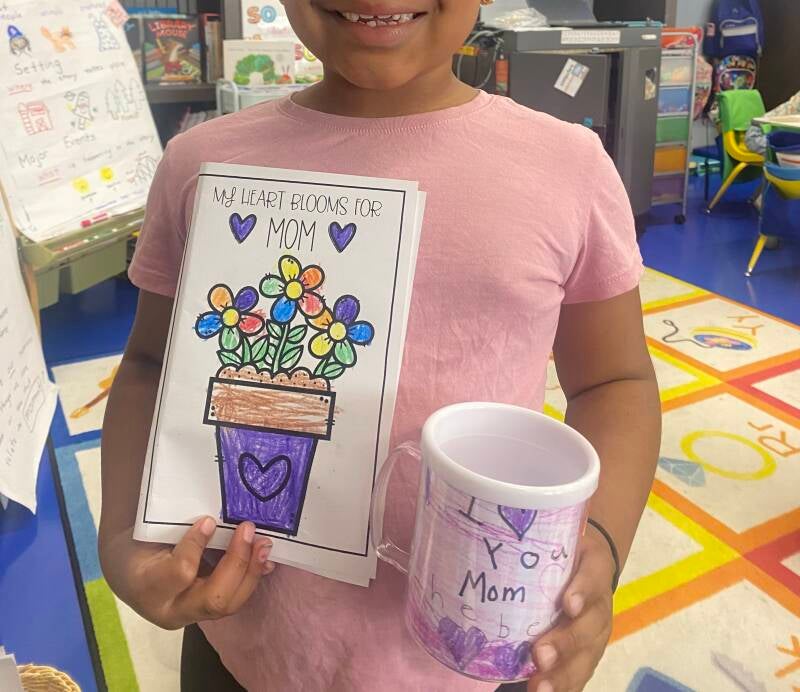
Not the ceramic kind you’d find on a store shelf, perfectly printed and polished. Ours were simple plastic mugs, the kind that hold something far more valuable than coffee. Inside each one, my students carefully placed a paper insert—designed, colored, and crafted with the kind of intention only five- and six-year-olds can bring to a task.
They drew pictures of their families. They sounded out words like “Mom” and “love” with proud determination. They asked me how to spell beautiful and then wrote it anyway, fearlessly, imperfectly, perfectly.
What we were really creating wasn’t a gift. It was a moment. A memory. A piece of their hearts made visible.
Because the mug? That’s just the container.
The real gift is the story it holds.
In between crayons and conversations about moms, our learning continued—rich, layered, and deeply interconnected in the way only a kindergarten classroom can be.
We began exploring place value, which, at first glance, might seem worlds away from Mother’s Day crafts. But as we bundled straws into groups of ten and counted ones with careful precision, I saw something familiar. Place value is about understanding that small things come together to create something bigger. That ten ones become a ten. That meaning is built, piece by piece.
Isn’t that what we were doing with those mugs?
Each drawing, each letter, each color choice—small on its own—came together to create something meaningful. Something whole.
At the same time, our classroom buzzed (quite literally) with our continued study of bees and ants.
We read about how bees work together in a hive, each with a role, each contributing to something greater than themselves. We watched ants carry loads many times their size, building communities through cooperation and persistence.
And as we learned, I couldn’t help but notice the parallels.
My students, like those bees and ants, were working together—sharing markers, helping each other spell tricky words, reminding a friend where to place their paper insert. There was a quiet kind of teamwork, a shared understanding that what we were doing mattered.
Not because of the final product.
But because of the care behind it.
As a former principal, I’ve seen the pressure to measure learning in tangible ways. As a teacher, I feel the pull of standards and pacing guides. As a mom, I know how quickly time passes, how the smallest gestures become the most treasured memories.
And as the author of Educate the Heart, I come back to this again and again:
The most important learning we do isn’t always the most visible.
It lives in the way a child takes their time coloring a heart for their mother.
In the pride of writing a word all by themselves.
In the quiet collaboration over shared supplies.
In the realization that numbers, like people, have value based on their place and connection.
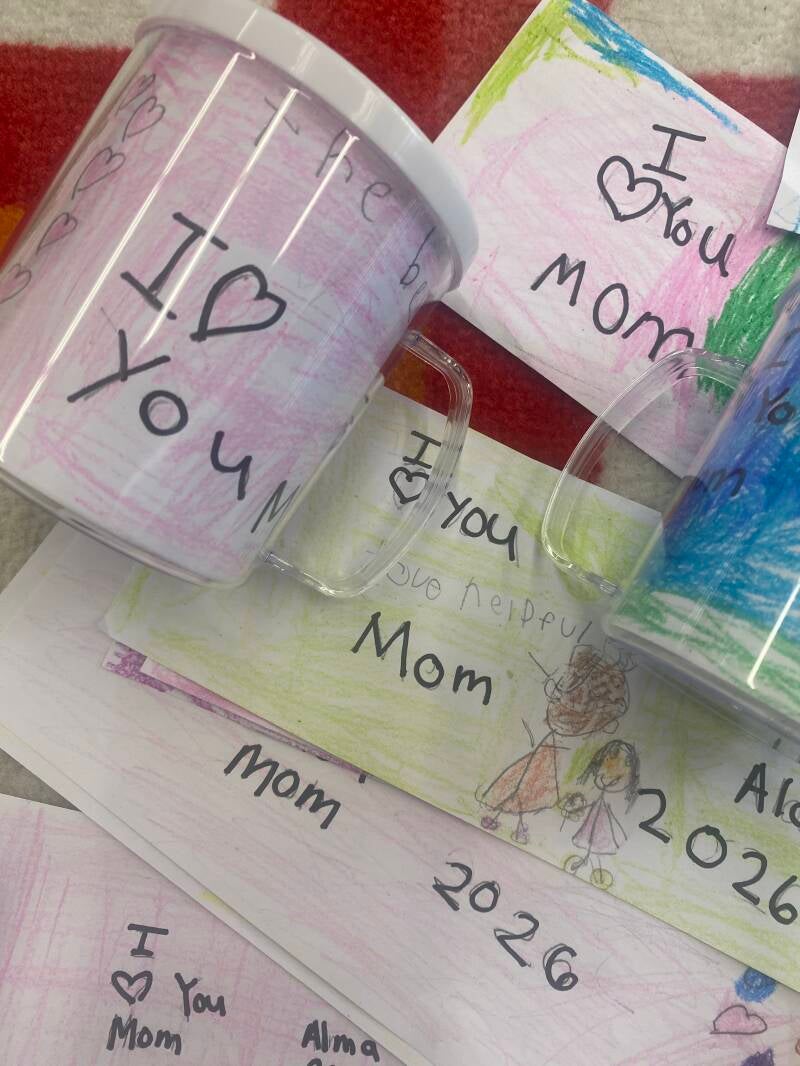
So yes, we made mugs this week.
But what we really made was love you can hold in your hands.
And long after the paper fades or the plastic cracks, I have a feeling those mothers will hold onto what truly matters—the evidence of their child’s thinking, their effort, their joy.
Because in the end, the quote rings true in the most beautiful way:
The best things in life are not things.
They are the moments we create, the connections we nurture, and the love that somehow finds its way into even the simplest of mugs.
Thank you for taking the time to visit my blog and read this post. I hope you found it worthwhile.
Best,
Jennifer
Add comment
Comments