“Every now and then, I'm lucky enough to teach a kindergarten or first-grade class. Many of these children are natural-born scientists.” — Carl Sagan
This week, I didn’t just read those words—I lived them.
In Room 116, the lab was open.
Not the kind with white coats and microscopes—but the kind with cardboard scraps, stretched-out elastics, and ping pong balls rolling wildly (and sometimes dramatically) onto the floor. The kind where five-year-olds huddle over their work with furrowed brows and big ideas.
They were working on the first stages in building pinball machines.
Simple? Maybe.
Powerful? Absolutely.
Because what unfolded wasn’t just play—it was experimentation in its purest form.
“Why does it go faster here?”
“What if I make it higher?”
“It needs something to bounce off!”
These weren’t just questions. These were theories in motion.
They tested.
They adjusted.
They tried again (and again… and again).
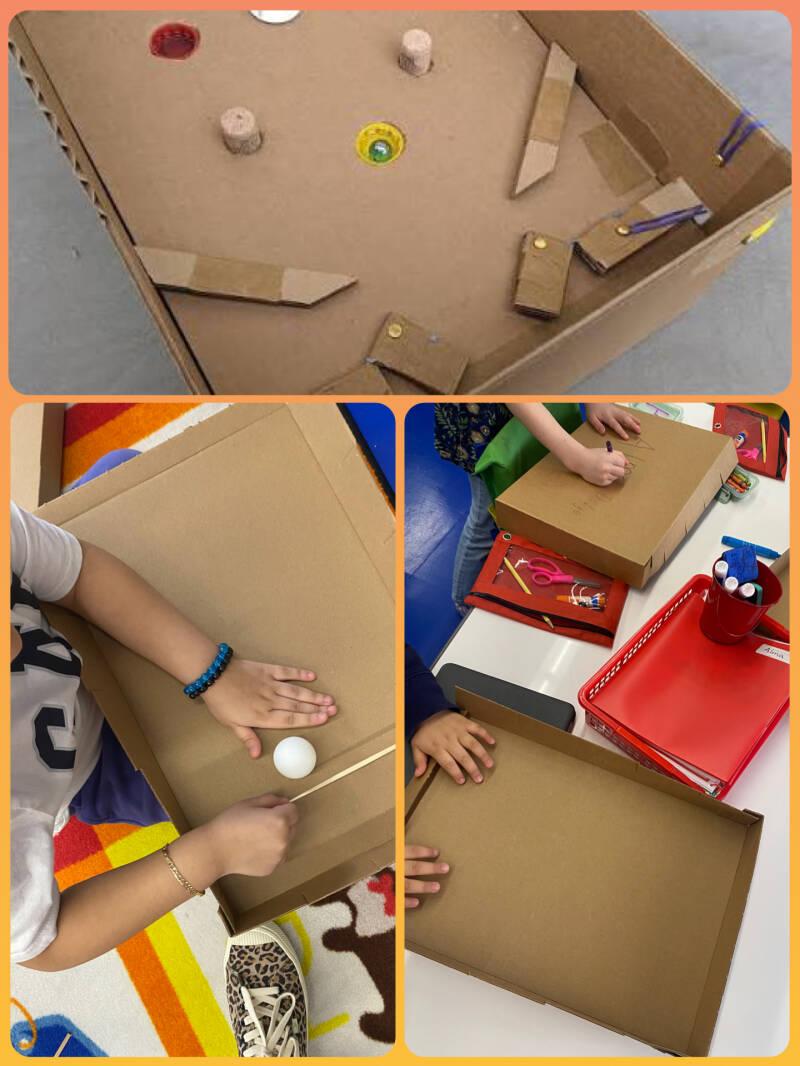
They learned about force and motion not from a worksheet, but from experience—from the satisfying thunk of a ball hitting just the right spot, or the frustration of watching it fall flat for the tenth time.
One student quietly kept adjusting his ramp, inch by inch, release by release. No fanfare. Just focus. And then—success.
His face didn’t just light up—it glowed. Not because someone told him he was right, but because he figured it out.
That’s the moment.
That’s the science.
And honestly? That’s the magic.
Later in the week, that same spirit followed us into our read-alouds. We dove into life cycles—caterpillars and butterflies taking center stage. But instead of just listening, my students leaned in like investigators.
“Is a caterpillar a baby butterfly?”
“Why does it have to change?”
“Do all insects do that?”
As an MLL teacher, I’m always thinking about language—how to support it, build it, honor it. And this week, science became our bridge.
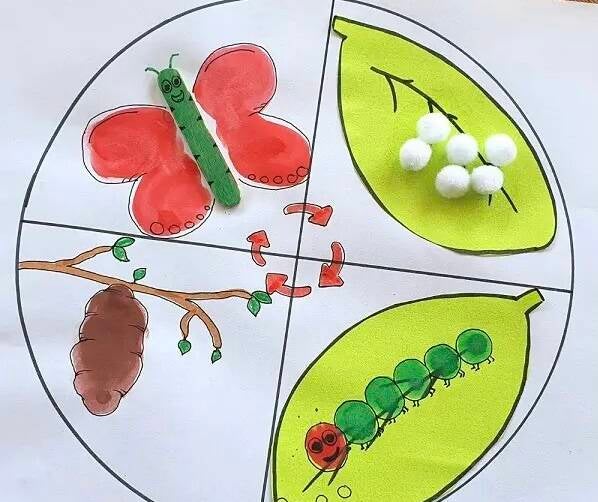
With sentence frames, partner talk, and lots of gestures and visuals, their ideas began to take shape:
“The caterpillar is different because…”
“They are the same because…”
The grammar wasn’t perfect.
But the thinking? It was deep.
And that’s what stayed with me.
Not just what they learned—but how they learned it.
With curiosity.
With persistence.
With joy.
As a mom, I recognize that spark—that natural desire to figure things out.
As a former principal, I’ve seen how easily that spark can dim in systems that prioritize answers over exploration.
And as a teacher, I feel an incredible responsibility to protect it.
Because Carl Sagan was right.
These children are natural-born scientists.
They question everything.
They test their ideas.
They notice what we overlook.
They aren’t afraid to be wrong.
And maybe most importantly—they believe their thinking matters.
This week reminded me that my role isn’t to fill them up with knowledge. It’s to create space.
Space to wonder.
Space to try.
Space to fail and try again.
Space to be exactly who they already are.
Because long after they forget words like “force” or “life cycle,” I hope they remember the feeling—
Of curiosity.
Of discovery.
Of figuring it out.
Of being scientists.
And somewhere between the cardboard chaos and those beautiful, thoughtful conversations…
I realized something else.
I’m the lucky one.
Thank you for visiting the blog and taking the time to read this post. I hope you found it worthwhile.
Best,
Jennifer
Add comment
Comments