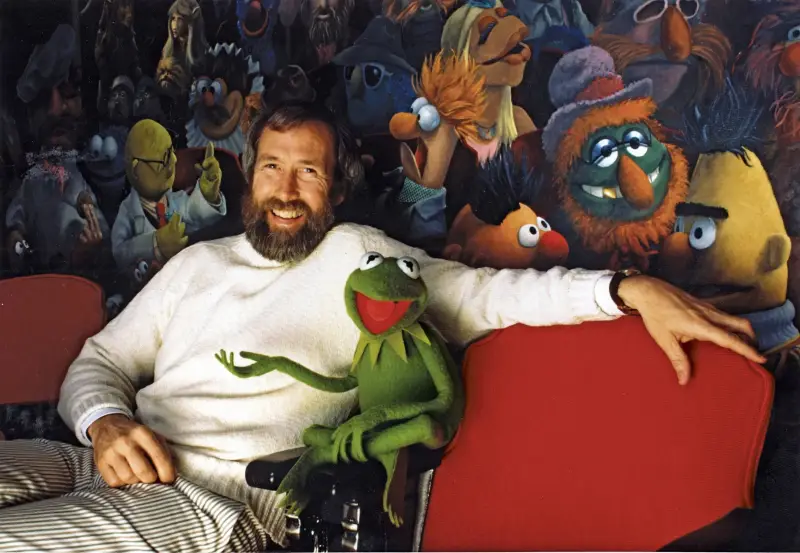
“[Kids] don't remember what you try to teach them. They remember what you are.”
— Jim Henson, It's Not Easy Being Green: And Other Things to Consider
This is the quote that stuck with me all week.
Not in a quiet, reflective, end-of-the-day kind of way—but in the middle of the noise, the movement, the questions, and the beautiful unpredictability of my inner city MLL kindergarten classroom.
Because this week, we were busy learning about forces—pushes and pulls—and diving into the fascinating world of insects. But what stayed with me most wasn’t whether every child could perfectly explain a force or label the parts of a beetle.
It was who I was while they were learning.
The Pushes and Pulls of More Than Science
We started our science block with something simple:
“Show me a push.”
“Show me a pull.”
And suddenly, the room came alive.
Chairs scooted. Backpacks dragged. Tiny hands pressed against tables with determination. Laughter echoed as one student dramatically pulled his friend (who was more than happy to participate).
But then came the moment I’ll remember.
One of my quieter students—still building confidence in English—stood by the door, watching. I gently walked over and pushed the door open, then pulled it closed, exaggerating the motion.
“Push,” I said softly.
He smiled.
“Pull,” he whispered back.
Later, during independent exploration, I saw him at the block area, carefully demonstrating to another student:
“Push… like this.”
“Pull… like this.”
In that moment, I realized—he may not remember my explanation.
But he will remember that I slowed down. That I noticed him. That I made space for him.
Insects, Curiosity, and Finding Their Voice
Our literacy block buzzed (quite literally) with excitement as we explored insects. The room filled with books, diagrams, and wide-eyed wonder.
“Look! Six legs!”
“Teacher, ants are strong!”
“I saw a butterfly at my house!”
We read, we talked, we wrote.
Or rather—we attempted to write.
Kindergarten writing, especially for multilingual learners, is an act of bravery. It’s stretching sounds, taking risks, and sometimes just drawing a detailed picture when the words won’t come yet.
One student drew a large, careful ant. No words.
I knelt beside her and said, “Tell me about your insect.”
She lit up.
“Ant… strong… carry food,” she said, using gestures to fill in the gaps.
“Let’s write that together,” I suggested.
She watched as I slowly wrote the words, saying each sound aloud. Then she traced over them, beaming.
By the end of the week, she proudly held up her paper and said, “I write!”
Will she remember the writing standard? Probably not.
But she will remember that she is a writer.
What We Are
This week wasn’t perfect.
There were moments of redirection, of repeated instructions, of trying to hold attention in a room full of five-year-olds with very big feelings and very different language needs.
But woven through it all were moments of connection:
- Sitting on the rug, fully present, as a child shared a story in broken English
- Celebrating a correctly used word like it was a masterpiece
- Modeling patience when frustration bubbled up
- Choosing warmth over urgency
Because in the end, my students may not carry with them every detail about pushes and pulls or the characteristics of insects.
But they will carry the feeling of our classroom.
They will remember if it was a place where:
- They were seen
- They were safe to try
- They were encouraged to speak, even when it was hard
- They were valued not for perfection, but for effort
The Real Lesson
As a teacher, former principal, mom, and author, I’ve learned that curriculum matters—but presence matters more.
This week reminded me that I am always teaching something deeper than the lesson plan.
I am teaching:
- Confidence
- Curiosity
- Kindness
- Courage
Not through what I say—but through who I am.
And if Jim Henson is right—and I believe he is—then long after the science vocabulary fades and the insect facts blur, what will remain is this:
A memory of a classroom that felt like belonging.
Thank you for visiting my blog and taking the time to read this post. I hope you found it worthwhile.
Best,
Jennifer
Add comment
Comments