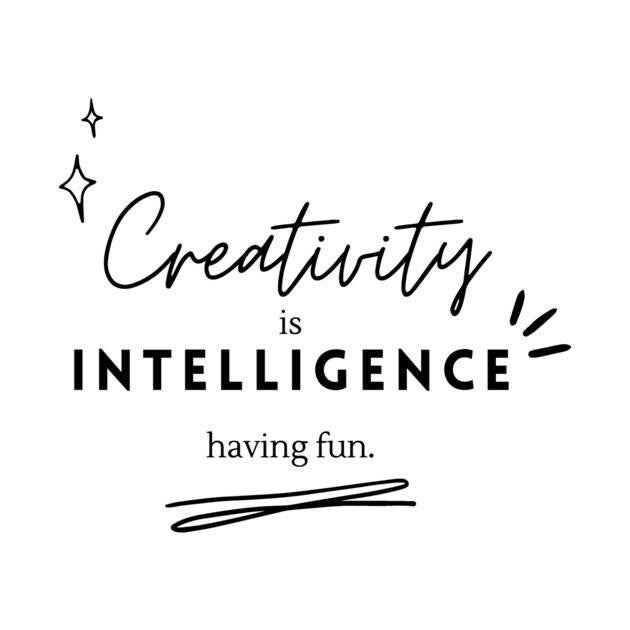
Albert Einstein once said, “Creativity is intelligence having fun.”
This week in my kindergarten classroom, that quote didn’t just hang on the wall—it danced around the room.
As a teacher of multilingual learners, a former elementary principal, a mom of two, and the author of Educate the Heart, I’ve learned that true learning doesn’t always look like a worksheet or a test. Sometimes, it looks like laughter during story time, inventive problem-solving during play, or a spark of pride when a child shares an idea that existed only in their imagination moments before.
And this week, creativity was everywhere.
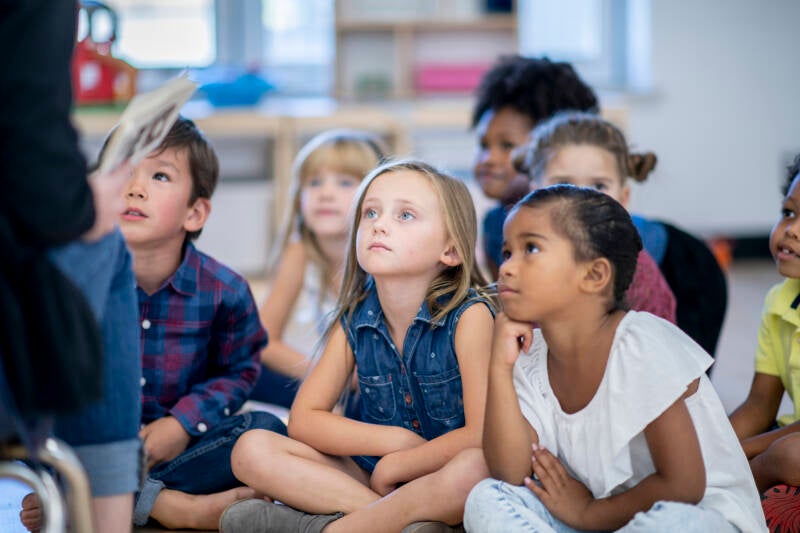
It showed up during our reading time. My students didn’t just listen—they wondered. They asked curious questions in growing English, used gestures when words ran short, and built meaning together. Their ideas bounced around like bright, unstoppable sparks.
It came alive in our engineering center, too. With nothing more than blocks, paper, and a few recycled treasures, my students constructed towers, bridges, and entire “cities for everyone.” One proudly told me, “This one strong,” as he reinforced his structure’s base. Another declared, “My house for everyone.”
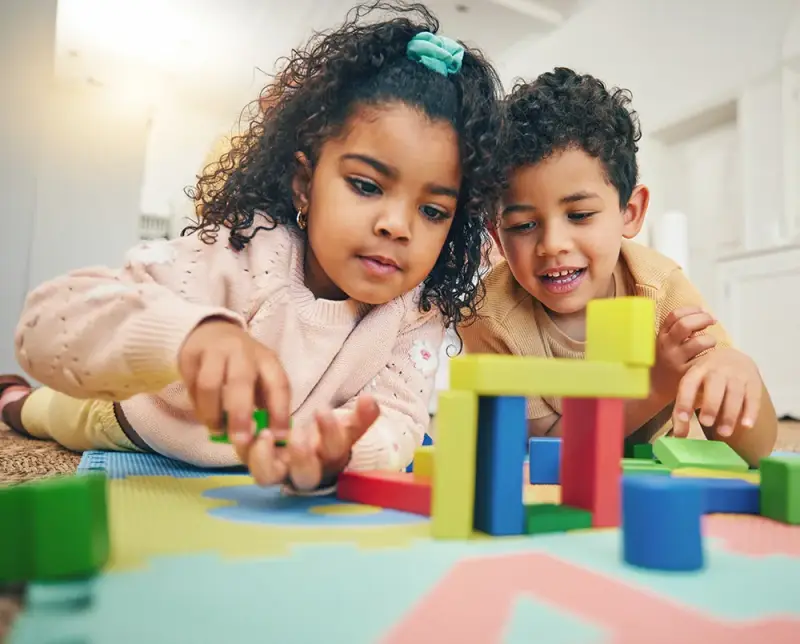
They weren’t only building towers.
They were building language.
They were building confidence.
They were building understanding.
As a former principal, I used to walk into classrooms looking for “evidence of learning.”
Now, standing in my own classroom again, I see that learning often hides inside moments of joy—it lives in curiosity, experimentation, and the freedom to try (and try again).
Creativity gives children permission to think beyond words.
For multilingual learners especially, it opens doors that language sometimes can’t yet unlock. A drawing, a dramatic retelling, or a carefully built block creation can communicate complex, beautiful ideas long before every English word is ready.
As a mom of a 16‑year‑old and a 20‑year‑old, I’m reminded: creativity is natural in young children, but it needs space to grow. It flourishes in classrooms where exploration is valued and “mistakes” are just part of the magic.
This week reaffirmed something I wrote in Educate the Heart: when we nurture the whole child—their curiosity, joy, and imagination—academic learning follows naturally.
Intelligence doesn’t always look serious.
Sometimes it’s a chorus of giggles as a tower tumbles, followed by the determination to rebuild.
Sometimes it’s a child proudly mixing languages to explain an idea.
Sometimes it’s the quiet pride of realizing, I made that.
And if Einstein was right, my classroom this week was overflowing with intelligence—because it was absolutely overflowing with fun.
Our role as teachers and parents isn’t just to teach children answers.
It’s to protect their creativity long enough for them to discover their own questions.
And in a kindergarten classroom, those questions are where the real magic begins.
Thank you for taking the time to visit my blog and read this post. I hope you found it worthwhile.
Best,
Jennifer
Add comment
Comments