As I published my reflection on choosing rise as my word for the year, of course I knew I had to return to it—not as a finished thought, but as an ongoing practice. That is the nature of rising. It does not end with intention; it continues through consistency, especially on the days when the work feels heavy.
In today’s educational climate, rising is not always visible. It often happens in quiet moments, behind classroom doors, in choices no one applauds—but children feel.
Rising When No One Is Watching
One of the greatest lessons I carried with me from my years as an elementary principal is that leadership is revealed most clearly when no audience is present. In the kindergarten classroom, this truth is magnified.
Rising looks like:
- Taking the time to truly listen to a child’s story, even when the schedule feels tight
- Responding calmly to behavior that is really communication
- Choosing patience over productivity
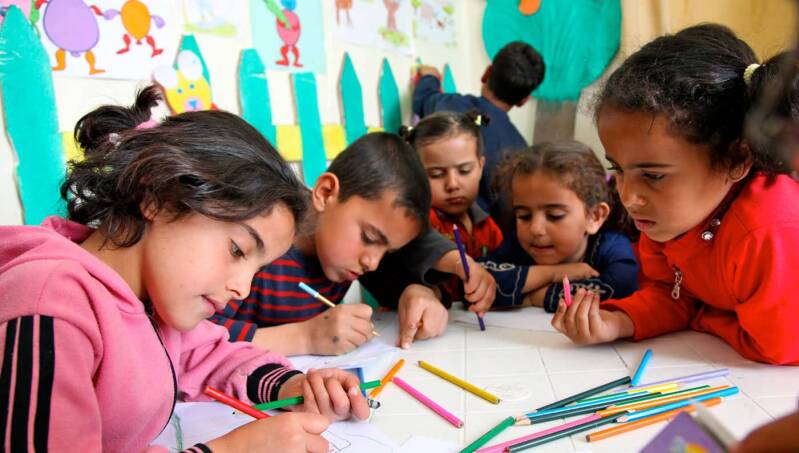
These moments rarely make it into lesson plans or evaluations, yet they shape the emotional climate of a classroom. Children do not remember every worksheet or standard—but they remember how they felt when they entered the room each morning.

Rising Through Developmentally Sound Choices
As expectations for young learners continue to rise, educators are often asked to move faster, do more, and measure earlier. Rising, for me, means slowing down with intention and standing firmly in what we know about how children learn best.
It means:
- Valuing play as essential cognitive work
- Allowing time for social problem-solving
- Designing learning experiences that honor curiosity, movement, and voice
This stance is not about resistance—it is about responsibility. When we honor developmental readiness, we are not lowering expectations; we are creating the conditions for meaningful, lasting learning.
Rising as Emotional Leadership
Children borrow regulation from the adults around them. When we are grounded, they feel safe. When we are intentional, they learn trust.
Rising, then, is also about emotional leadership:
- Modeling respectful communication
- Acknowledging challenges without allowing them to dominate the day
- Demonstrating optimism that is honest, not forced
This kind of leadership does not demand perfection. It requires awareness, reflection, and the willingness to reset when needed.
Rising in Alignment with Purpose
Returning to the classroom after serving as a principal has reaffirmed something I deeply believe: leadership is not positional—it is relational. Every day, educators are leading simply by how they show up.
As the author of Educate the Heart, my work has always centered on the belief that learning begins with connection. Rising means living that belief—not only in writing, but in daily practice.
It means aligning our actions with what we know is right for children, even when that path feels harder.
Continuing the Rise
This second reflection is not a conclusion—it is a continuation. Rising is not something we achieve and move beyond. It is something we choose again and again, especially when the work is challenging and the outcomes feel uncertain.
As you move forward, I invite you to consider:
- Where are you being called to rise quietly but firmly?
- What practices help you stay grounded in your purpose?
- How are you protecting your energy so you can lead with clarity and care?
Rising does not always feel powerful in the moment.
Often, it feels steady.
And in education, steadiness is transformative.
Thank you for continuing this journey with me. My hope is that these reflections offer reassurance, validation, and a reminder that the work you do—when grounded in intention—matters deeply.

Thank you for taking the time to visit my blog and read this post. I hope you found it worthwhile.
Best,
Jennifer
Add comment
Comments