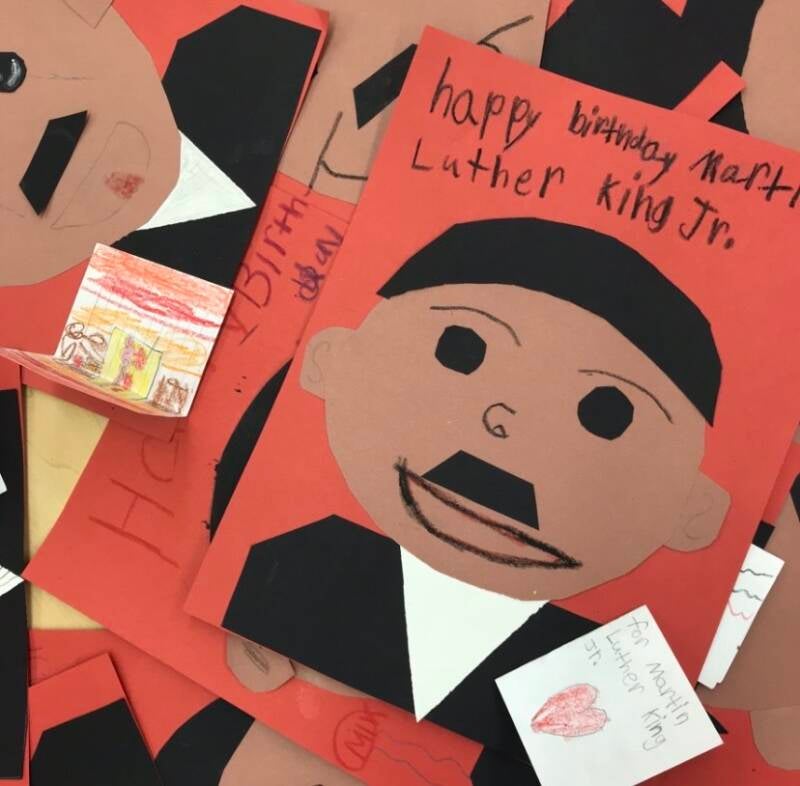
Every January, my calendar tells me it is Martin Luther King Jr. Day.
But my heart reminds me it is so much more than that.
As a mom of a high school son standing on the edge of adulthood and a college-aged daughter learning to find her voice in the world, I see this day differently than I once did. And as a former elementary principal and current inner-city kindergarten teacher, I feel an even deeper responsibility to ensure that Dr. King’s life is not reduced to a single quote, a coloring page, or a day away from school.
Because our children deserve more than a headline version of history. They deserve the truth—and the hope—woven into it.
Teaching the Life, Not Just the Legend
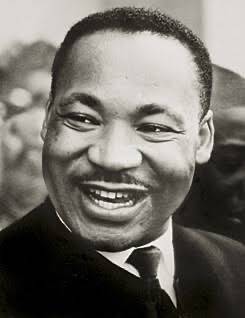
Dr. Martin Luther King Jr. was not just a man with a dream. He was a son. A father. A pastor. A leader who was often tired, discouraged, criticized, and afraid—yet chose courage anyway. His life was not easy, and his work was not safe. Teaching that truth matters.
When I was a principal, I would walk classrooms in January and listen for how Dr. King was being discussed. I wasn’t looking for perfection—I was listening for meaning. Were students learning that change takes persistence? That justice requires action? That speaking up can be uncomfortable, but necessary?
Now, in my kindergarten classroom, I think carefully about how to honor Dr. King in ways that are developmentally appropriate but still powerful. I don’t shy away from conversations about fairness, kindness, and standing up for others—even when it’s hard. Because those ideas are not too big for young children. In fact, they are exactly the right size.
What My Children Are Watching Me Teach
At home, my teenagers watch how I talk about this day. They listen when I connect current events to history. They notice whether I treat Dr. King’s legacy as something alive—or something safely tucked away in the past.
My son, growing into his own sense of justice, asks questions about the world as it is. My daughter, navigating college life, challenges systems and ideas in ways that remind me just how necessary these conversations are. Teaching them about Dr. King has never been about memorizing dates—it has been about understanding responsibility.
Responsibility to one another.
Responsibility to speak up.
Responsibility to keep going when the work feels unfinished—because it is.
Why This Matters in Our Classrooms
In inner-city classrooms especially, our students often see injustice before they have the words for it. Dr. King’s life gives language to what they feel and framework to what they experience. It tells them that their lives matter, their voices matter, and that change has always started with ordinary people doing brave things.
Martin Luther King Jr. Day is not about perfection. It is about progress. It is about helping children understand that the world they inherit is shaped by the choices they make—every single day.
Carrying the Dream Forward
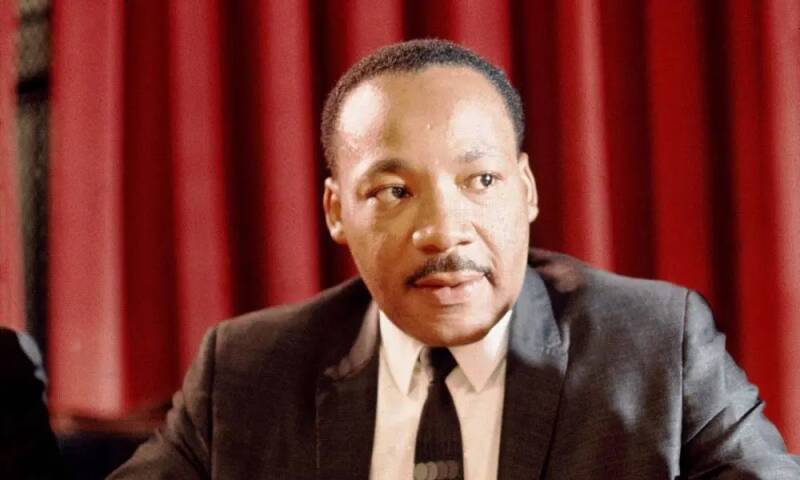
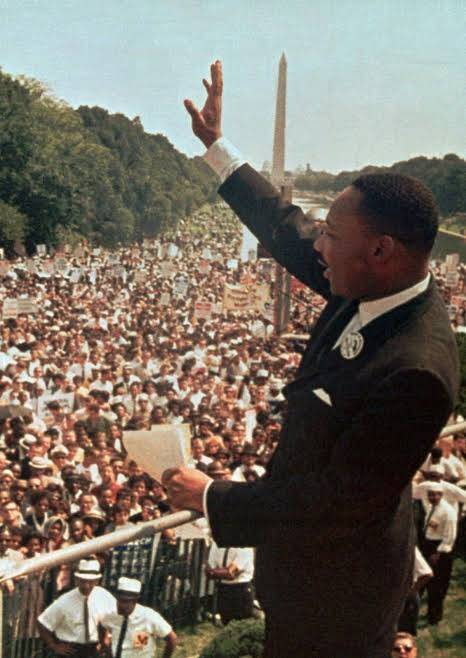
As an author, educator, a mother, and a former school leader, I believe our greatest responsibility is not just to teach history—but to help students see themselves in it. Dr. King’s dream did not end with his life. It lives on in our classrooms, our conversations, and our courage to teach the truth.
So this January, I will remind my students—and my own children—that Martin Luther King Jr. Day is not just a day we remember.
It is a life we continue to learn from.
And a call to action we are still answering.
Find classroom resources here and below is a K–12 Classroom Discussion Guide
K-12 Classroom Discussion Guide- More Than a Day Off:
Purpose:
To help students understand the life, values, and ongoing impact of Dr. Martin Luther King Jr., and to encourage reflection on fairness, justice, courage, and responsibility in age-appropriate ways.
Essential Understanding (All Grades):
Martin Luther King Jr. worked for fairness and justice, even when it was difficult. His life reminds us that our words, choices, and actions matter.
Primary Grades (K–2)
Theme: Fairness, Kindness, and Helping Others
Big Ideas:
- Everyone deserves to be treated fairly.
- One person can help make the world kinder.
- Small actions matter.
Discussion Questions:
- What does it mean to be fair?
- How do you feel when someone stands up for you?
- What are ways we can help others feel included at school?
Teacher Language Support:
“Dr. King believed that people should be kind and fair to one another. Even when it was hard, he kept trying to help others.”
Classroom Activity Ideas:
- Create a “Kindness Promise” chart
- Draw or write about a time you helped someone
- Role-play using kind words when something feels unfair
Closing Reflection:
- “One way I can show kindness today is…”
Upper Elementary (3–5)
Theme: Courage, Voice, and Standing Up for What’s Right
Big Ideas:
- Change often requires bravery.
- Speaking up can feel uncomfortable but is important.
- Dr. King used peaceful words and actions to create change.
Discussion Questions:
- Why do you think standing up for others can be hard?
- What does it mean to use your voice respectfully?
- How did Dr. King show courage in his life?
Teacher Prompt:
“Dr. King wasn’t just born brave—he chose to be brave.”
Classroom Activity Ideas:
- Write a letter to someone thanking them for standing up for others
- Create a timeline of Dr. King’s life
- Discuss peaceful ways to solve problems
Closing Reflection:
- “I can show courage by…”
Middle School (6–8)
Theme: Justice, Responsibility, and Peaceful Action
Big Ideas:
- Justice means fairness for everyone.
- Change takes time, persistence, and teamwork.
- Dr. King’s work is still relevant today.
Discussion Questions:
- What injustices did Dr. King speak out against?
- Why do you think peaceful protest was important to him?
- How do students today continue his legacy?
Teacher Prompt:
“Dr. King believed silence in the face of injustice was a choice.”
Classroom Activity Ideas:
- Analyze quotes in context
- Small-group discussions on modern examples of peaceful action
- Create a classroom “Responsibility Statement”
Closing Reflection:
- “One responsibility I have in my community is…”
High School (9–12)
Theme: Legacy, Leadership, and Ongoing Change
Big Ideas:
- Dr. King’s life was complex and courageous.
- Progress requires sustained action, not symbolic gestures.
- Each generation has a role in shaping the future.
Discussion Questions:
- How is Dr. King often simplified in history?
- What risks did he take, and why?
- How does his message apply to issues today?
Teacher Prompt:
“Dr. King’s dream challenges us to examine not just society—but ourselves.”
Classroom Activity Ideas:
- Socratic seminar using primary sources
- Reflection on current social justice movements
- Student-written action plans or editorials
Closing Reflection:
- “How will I carry Dr. King’s legacy forward?”
Thank you for taking the time to visit my blog and read this post. I hope you found it worthwhile and that it inspires you to keep going when the work feels unfinished.
Best,
Jennifer
Add comment
Comments