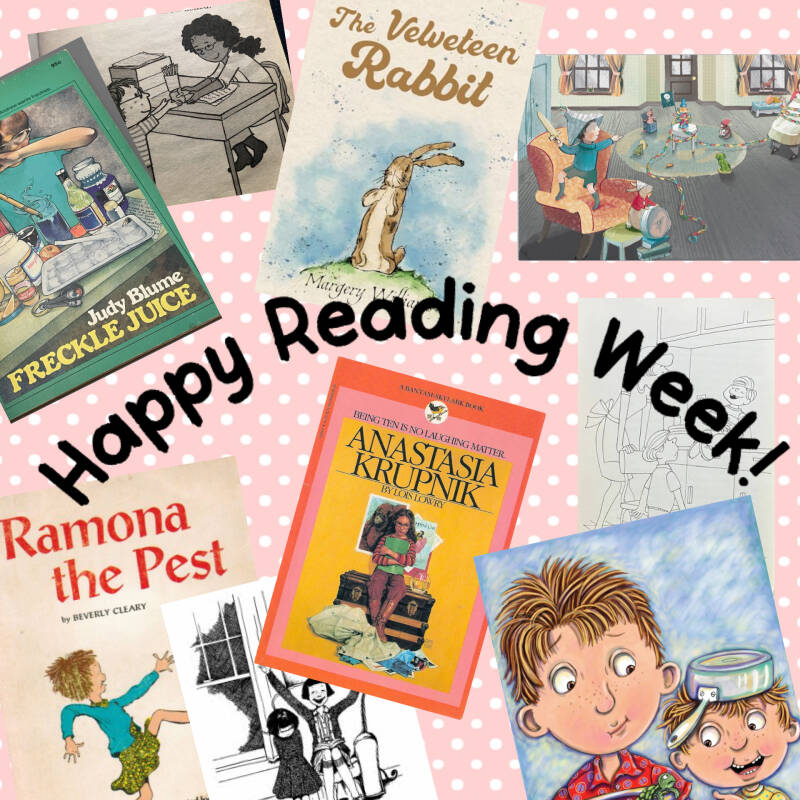
Some books entertain us.
Others form us.
Long before I was a mother of a 16- and 20-year-old, long before I became a kindergarten teacher, a principal, or the author of Educate the Heart, I was a little girl with a library card and a stack of stories that quietly shaped who I would become.
These are the lines that never left me.

Becoming Real
In The Velveteen Rabbit, the Skin Horse explains:
“Real isn’t how you are made… It’s a thing that happens to you.”
That sentence has followed me into adulthood.
As an educator, I watched children try to be impressive — polished, praised, perfect.
As a mother, I’ve watched my own children grow not shinier, but deeper.
Becoming “real” doesn’t happen through achievement. It happens through love, disappointment, resilience, forgiveness. It happens slowly. And once it happens, as the book reminds us, you cannot be ugly “except to people who don’t understand.”
What a gift — to raise children who are real instead of remarkable.

Being Misunderstood
In Ramona the Pest, Ramona declares:
“I am not a pest!”
Every kindergarten teacher smiles at that line.
Ramona isn’t difficult. She’s five. She’s earnest. She’s trying to make sense of a world with rules she doesn’t yet understand.
That story changed how I see behavior. So often, what looks like defiance is really frustration. What looks like attention-seeking is connection-seeking.
Children are rarely trying to be pests. They are trying to be known.

The Ache of Comparison
In Tales of a Fourth Grade Nothing, Peter complains:
“Nothing ever happens to Fudge. He’s too little.”
Sibling rivalry, fairness, invisibility — Judy Blume named feelings children often don’t have language for.
As a mom of two, I’ve seen how comparison can quietly take root.
As a principal, I’ve seen how easily we celebrate the loud child while overlooking the steady one.
That book reminded me to notice the Peters of the world — the responsible ones, the patient ones — and to affirm them before resentment grows.


Wanting to Belong
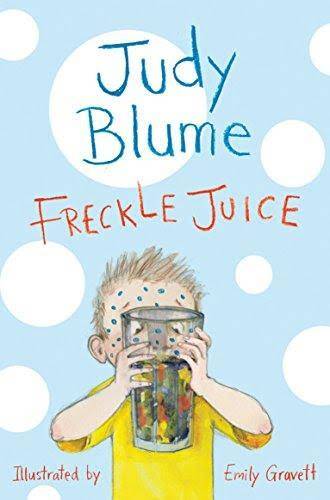
In Freckle Juice, Andrew desperately wants freckles.
On the surface, it’s a funny story. Beneath it is something tender: the deep longing to belong.
Children don’t usually say, “I’m struggling with self-acceptance.”
They say, “I wish I looked like her.”
They say, “I wish I had what he has.”
That book became an early lesson for me — one I still carry into classrooms and conversations with my own teens — that confidence isn’t about changing who you are. It’s about accepting who you already are.
Finding Your Voice
In Anastasia Krupnik by Lois Lowry, Anastasia keeps lists of everything she loves and hates.
Simple. Honest. Brave.
Those lists gave me permission to have opinions. To think critically. To reflect.
As an educator and writer, I now intentionally create space for children to journal, to wonder, to disagree, to name what they feel. Voice begins in childhood — and it deserves to be nurtured.

These books did more than fill afternoons. They quietly educated my heart.
They taught me that:
- Love makes us real.
- Misunderstood children need compassion.
- Comparison steals joy.
- Belonging matters.
- Every child deserves a voice.
Now, as a grown woman, a wife, a mother of teenagers, and a former principal, I see clearly: the stories we hand children become the stories they carry.
And sometimes, decades later, they are still guiding the way.
Thank you for taking the time to visit the blog and read this post.
I hope you found it worthwhile.
Best,
Jennifer
Add comment
Comments